

2 Days
Package Price : $ 40000.00/- Per Person
Package price : ₹400,000/- Per Person
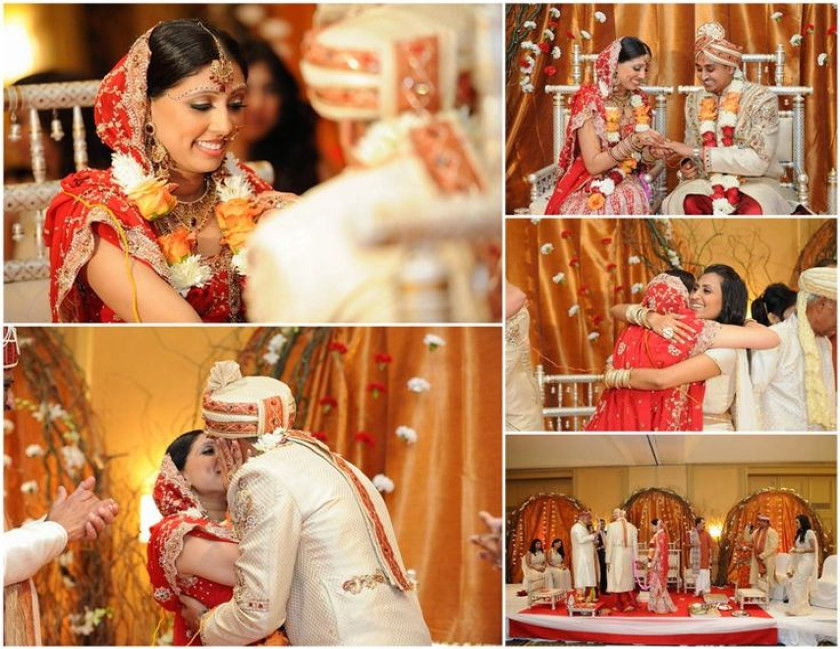
History of Indian Wedding goes back to the early societies for social as well as political reasons had to have secure means for the perpetuation of the species and an institution to handle the granting of property rights and marriage was the institution for fulfilling that requisite of the society. In Indian culture, marriages have a history since 4th century. The culture of arranged marriages has still survived modernization and industrialization in India and the entire globe.
Selection of the Couple
In the earlier times, the selection of the couple was based on Shastric ideas. The guardians of the girl would always see the boy`s body appearance, but also consider his conduct, family means and culture, education and repute. They should choose one whose age is more than the girl. The boy should be sound in body and in mind and his family should be free from hereditary diseases and should have strength to take care of daughter as wife and future extended family and children.
Wedding Rituals in Ancient India
In ancient period, the marriages took place while the couple was very young and sometimes even in mother’s womb or child marriage. In fact, the boy’s parents searched for a matching alliance for him in his pre-adolescent age and then approached the girl’s family with the proposition as the marriage was considered an institution and relation of two families. There used to be a middleman to look for alliance and propose it to each family about the match. He even acted as a negotiator, also would suggest a suitable date and hour for the marriage to take place after matching the bride and the groom`s birth charts, he further also would facilitate in decision of the venue suitable for each family. In Indian Weddings the bride`s family was the host for the function.
Wedding Customs in Medieval India in medieval India, the marriage was compulsory for all the girls except for those opted asceticism. Brahmin girls were married between ages 8 and 10. In the medieval age, Swayam Varas were arranged where women chose the groom and men would have to woo them with a presentation of their abilities. These means sound more modern rather than ancient. There are also mentions of abductions of the women by men for marriage purpose. In fact, that was one acceptable way of acquiring the bride of one`s choice. It was considered rather gallant of a man to display such act.
Wedding Rituals in Modern India
In the modern days, rights and the entire composition is changed where boy and girl are given choices to select their partner due to social changes. It became a parent`s duty to search for and invite the matching alliances for their children. Times have changed recently and marriages are performed keeping the dignity (especially of the bride`s family) intact. These days whether it is a boy or a girl has their own opinion to choose life partners. Once a couple is married, they have to live together.
Practice of Polygamy and Polyandry
History of Indian Wedding points to the existing facts of Hindu marriages, there are certain references of polygamy and polyandry for political as well as social reasons. Some references to polygamy and polyandry have been found in the Hindu epic of Mahabharata. However, falling in love before marriage was seen as a sin, a kind of insanity. Polygamy was permitted to all who could afford, and it was especially famous among Kshatriyas for political reasons. According to the Manasollasa, the king should marry a Kshatriya girl of noble birth for a chief queen though he is permitted to have Vaishya or Shudra wives for pleasure. However, Polygamy is not permitted today but, dowry became a major practice in marriage institutions and took away a large part of the parents` wealth.
The custom and rituals of Indian marriage has gone through tremendous change, but the essence of this tradition is still the same. This sacred institution is made for uniting the two souls together for the life time.
However, thanks to modernization and globalization, and changing status of women in India, the custom of sati got diminished for good. Likewise, there had been and still are revolutions taking place against a lot of mal practices in the institution of marriage.
Embracing contemporary trends and adapting to changing lifestyles, couples are redefining the narrative of Hindu Indian weddings, making each celebration a reflection of their unique love story.
Booking your tour is simple and can be done online or offline. Just follow these steps:
Fill the Inquiry Form: Submit your details through our "Enquiry Now" form, or connect via WhatsApp chat or Live Chat or alternatively, you can email us your tour requirements.
Consult with Our Travel Expert: One of our travel experts will contact you, understand your requirements, and create the perfect package for you.
Confirm & Book: Once you are happy with the package, make an advance payment to confirm your booking.
Send us an email with the following details
Fill in the Booking Details: Provide the necessary information, including:
Make the Payment: To the company Bank account in the name of NTP Tourism Affairs Limited only
Child Policy
Cancellation Charges/ Refund Policy
Written Cancellation by email on the official email id info@ntpgroups.com or letter to the office address will be considered for the refunds and cancellation with the following cancellation (deduction) and refund policy.
Cancellation Policy
Refund Policy: All the refunds are settled in 30 days from the written cancellation received by our office
For More Booking, Cancellation & Refund Policies, please refer to the terms and conditions of NTP Tourism Affairs Limited.

6 Nights 7 Days tour
Lucknow, Naimisharanya, Prayagraj, Varanasi Ajodhya Package Tour
₹50,000/-
PER PERSON










03 Nights / 04 Days
Amarnath Yatra by Helicopter from Chennai, Bangalore, Delhi, Hyderabad, Kerala, Mumbai
₹35,000/-
PER PERSON


 +91-9810098099
 +91-9810098099


