

 Recent Posted Notice
 27 July 2026 (Monday)
13 July 2026 (Monday)

13 July 2026 (Monday)

10 November 2025 (Monday)

31 October 2025 (Friday)

31 October 2025 (Friday)

31 October 2025 (Friday)

30 October 2025 (Thursday)
01 September 2025 (Monday)

29 July 2025 (Tuesday)
28 July 2025 (Monday)
 22 September 2025 (Monday)
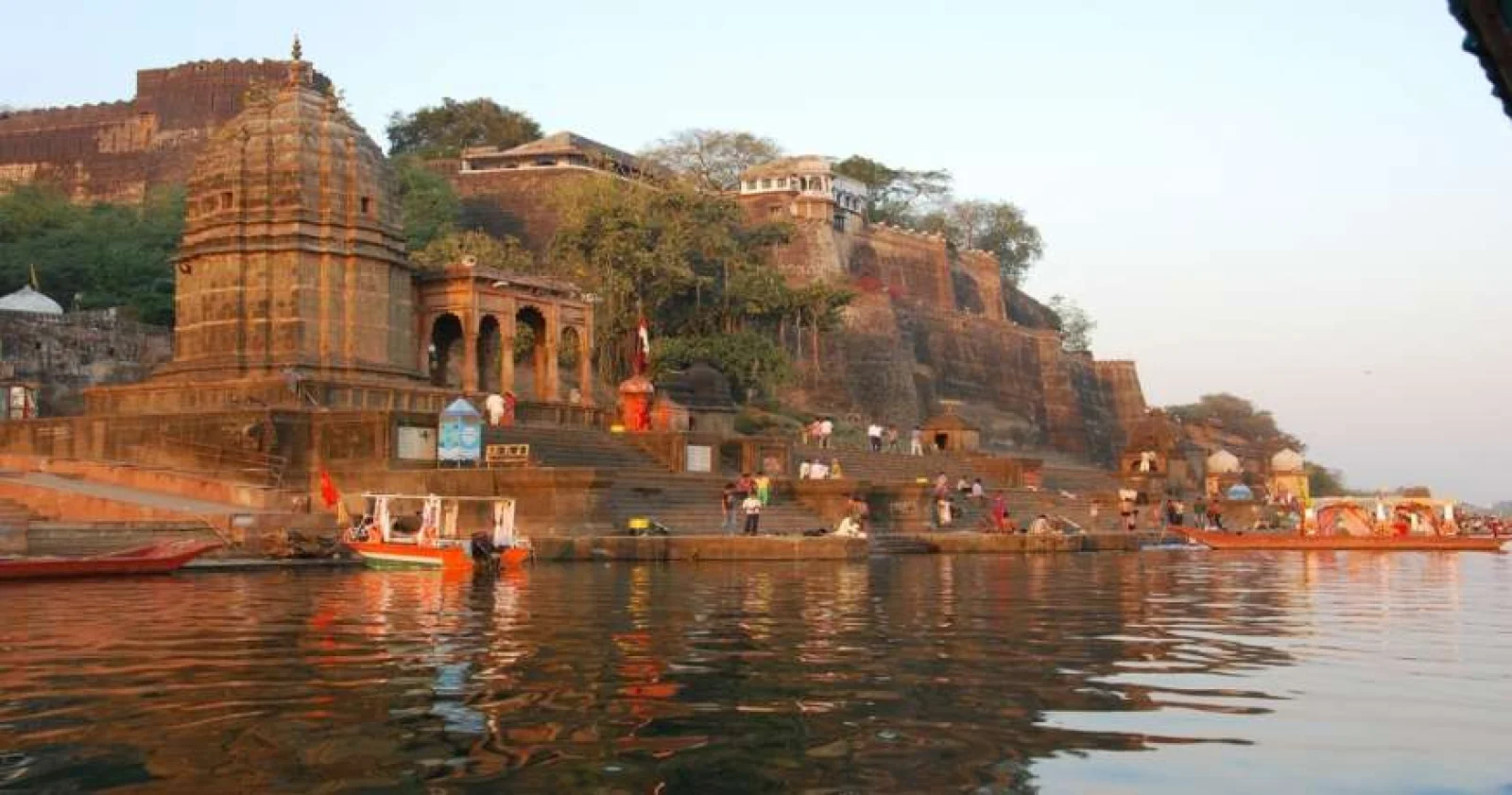
The Narmada River is popular not only as a waterbody but as a living goddess, motivating saints, ascetics, and pilgrims for centuries. Among India’s most popular spiritual journeys, the Narmada Parikrama stands out as one of the oldest, longest, and most demanding pilgrimages. A complete circumambulation of the river—walking along its southern bank from source to sea and returning along the northern bank—embodies devotion, endurance, and a deep connection with nature.
Spiritual Essence
To walk with the Narmada is to surrender to her charms. Unlike fast-paced, commercialized pilgrimages, the Parikrama is relatively slow, introspective, and deeply personal. Pilgrims have a belief that the journey purifies karmas, brings divine blessings, and develops the concept of togetherness with the eternal flow of life.
Where the Parikrama Begins and Ends
Tradition places Amarkantak in Madhya Pradesh as the spiritual heart of the Parikrama. Here, the river emerges from the Narmada Kund, a sacred pond surrounded by temples. Pilgrims begin with prayers and ritual cleansing, symbolically starting and ending their journey at the river’s birthplace.
Other starting points include Omkareshwar, Maheshwar, and Bharuch, but Amarkantak remains the most revered.
The Southern Bank Journey
Pilgrims first walk westward along the southern bank toward the Arabian Sea.
Amarkantak – Dindori – Mandla – Jabalpur: Narrow river through forests, marble rocks at Bhedaghat, and the majestic Dhuandhar Falls.
Jabalpur – Narmada Nagar – Omkareshwar: River widens; Omkareshwar, a Jyotirlinga, becomes a major spiritual halt.
Omkareshwar – Maheshwar – Barwani: Maheshwar’s ghats and temples reflect Ahilyabai Holkar’s legacy.
Rajpipla – Garudeshwar – Bharuch (Gujarat): The river flows past tribal lands and historic towns, culminating at the Gulf of Khambhat, where it meets the Arabian Sea.
The Northern Bank Return
After offering prayers at the river’s mouth, pilgrims retrace their steps along the northern bank.
Bharuch – Ankleshwar – Rajpipla: Rural landscapes and quiet villages.
Garudeshwar – Kevadia: Rocky terrain and powerful river currents.
Khargone – Maheshwar – Omkareshwar (north bank): Revisiting sacred towns from a new perspective.
Hoshangabad (Narmadapuram): Known for its ghats and festivals.
Jabalpur – Mandla – Amarkantak: Gradual ascent back to the source, completing the sacred circle.
Duration and Discipline
The Parikrama is slow based on rule book, it takes six months to a year, depending on pace and weather. Many pilgrims walk entirely on foot, avoiding vehicles and bridges, to maintain closeness to the river.
Conclusion : The Narmada Parikrama is not only revered as a pilgrimage—it is a spiritual communication with a living goddess. Each step along her banks is a step inward, toward purification, endurance, and divine grace. Completing the circle at Amarkantak is both a physical achievement and a spiritual rebirth, making this journey one of India’s most extraordinary acts of devotion.