Pre travel tips for Kailash Mansarovar Yatra
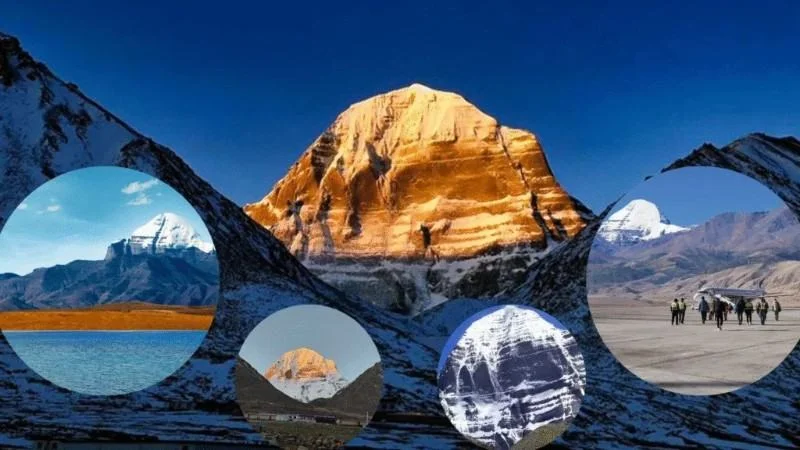
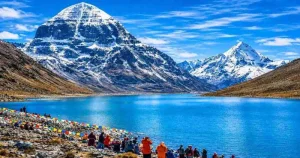
Getting ready for the Kailash Mansarovar Yatra with NTP Tourism Affairs Ltd. comes down to three practical pillars: getting cleared by a doctor early, building steady leg and lung endurance over several months, and respecting how thin air affects your body once you climb above Lake Manasarovar and cross Dolma La (5,630 m / 18,470 ft). Even travelers who feel strong at sea level face real strain from cold temperatures and low oxygen on the plateau.
1. Pre-Trip Medical Checkups & Route Screening
· Start With a Doctor Evaluation: Book a thorough checkup well before paying non-refundable trip deposits so your physician can review chronic issues—such as blood pressure, diabetes, asthma, heart or kidney conditions, or anemia—and confirm whether high-altitude travel is safe for you.
· Routine Tests & Heart Checks: Depending on your age, health history, and route rules, doctors typically check baseline blood work (including a complete blood count and organ/metabolic panels), blood pressure, and an ECG, adding a stress test or lung function check if risk factors warrant it.
· Age, BMI & Route Rules: Official programs and private operators often enforce age windows (commonly 18–70 years, with closer review for older pilgrims or the parikrama) and BMI cutoffs (frequently 25 or 27 and under, depending on the itinerary), alongside on-route medical checks on government batches.
. Personal Medications & First-Aid Kit: Pack enough of your regular prescription medicines for the entire trip plus extra buffer days, along with paper copies of your prescriptions. Ask your doctor ahead of time whether preventive altitude medication (such as acetazolamide) makes sense for you, and carry essentials like oral rehydration salts (ORS), basic pain/fever relief, and blister care.
You May Also Like:: Planning of Parikrama Mansarovar and Kailash Trek
2. Step-by-Step Fitness Conditioning (3–6 Months Out)
· Months 6–4 (Build Your Base): Work up to 30–45 minutes of brisk walking, cycling, jogging, or swimming most days of the week, paired with two weekly leg and core strength sessions using squats, lunges, and step-ups.
· Months 4–2 (Add Elevation & Pack Weight): Shift toward stair climbing, incline walks, and hill trails while carrying a 5–7 kg daypack. Focus on downhill control and quad/glute strength, since rocky descents put the heaviest load on your knees.
· Final 6 Weeks (Back-to-Back Walks & Taper): Do consecutive weekend walks in your broken-in trekking boots to mimic multi-day parikrama fatigue, then scale back during the final week so you arrive at the trailhead rested.
3. On-Trail Habits & Altitude Warning Signs
· Keep a Slow, Steady Rhythm: Stick to your itinerary's acclimatization days and walk at an unhurried, conversational pace rather than rushing uphill.
· Hydrate, Eat Carbs & Skip Sedatives: Drink water consistently throughout the day, eat regular carbohydrate-rich meals that are easy to digest, and avoid alcohol, smoking, and sleeping pills, which can depress breathing at altitude.
· Dress for Cold & High UV: Layer moisture-wicking thermals under windproof outer shells for sub-zero winds on high passes, and protect your eyes and skin with UV sunglasses, high-SPF sunscreen, and lip balm.
· Spot Early AMS vs. Red-Flag Emergencies: Mild Acute Mountain Sickness (AMS) feels much like a bad hangover—headache, nausea, poor appetite, fatigue, dizziness, or broken sleep. If it hits, stop climbing higher, rest, tell your guide, and descend if symptoms fail to settle. Treat breathlessness at rest, chest tightness, or a cough with frothy/pink sputum (HAPE), as well as severe unrelenting headache, confusion, or stumbling/loss of balance (HACE), as immediate medical emergencies requiring urgent descent and care.
Frequently Asked Questions about
Pre travel tips for Kailash Mansarovar Yatra